2026 Fitness Trends: Why Walking, Strength Training, and Sleep Are Redefining How We Exercise

Something genuinely different is happening in fitness this year. After decades of chasing aesthetics and viral, high-burn workouts, 2026 fitness trends point toward a quieter, more meaningful shift: people training not for how they look, but for how they live. According to the National Academy of Sports Medicine’s 2026 industry survey, longevity and healthy aging have overtaken traditional physique goals as the fastest-growing client motivation, a genuine changing of the guard in how people think about exercise.
📖 Also Read: Meta AI App Personalised Children Stories: Inside StoryKit, Meta’s New Storytelling Pilot
2026 Fitness Trends: Quick Overview
| Trend | What It Means |
| Wearable Technology | No. 1 trend for 2026, per ACSM’s 20-year survey |
| Japanese Walking | Nearly 3,000% surge in interest year-on-year |
| Minimal Effective Strength Training | 90-120 min/week linked to major long-term health gains |
| Functional Fitness for Aging | Movement-based training supporting independence in older adults |
| Sleep-Muscle Connection | New research links deep sleep directly to muscle growth |
| GLP-1 and Muscle Preservation | Trainers shifting focus toward strength amid weight-loss drug use |
Note: This guide reflects general wellness trends and published research. It isn’t medical advice; consult a doctor before starting any new exercise or health program.
Wearable Technology Takes the Top Spot, Again
For the 20th year running, the American College of Sports Medicine has published its Worldwide Fitness Trends forecast, surveying 2,000 clinicians, researchers, and exercise professionals. The number one trend for 2026: wearable technology. That’s not exactly a shock, but its continued dominance reflects how central real-time health data has become to everyday exercise decisions, from heart rate zones to sleep tracking to recovery scores.
What’s shifting, according to industry watchers, is how people use that data. Rather than simply tracking steps or calories, wearables are increasingly being used to guide actual training decisions, helping people adjust intensity, timing, and recovery based on real physiological feedback rather than generic, one-size-fits-all plans.
The Japanese Walking Trend Nobody Saw Coming
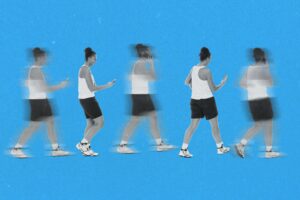
Among this year’s most surprising breakout trends is something refreshingly simple: walking, specifically a structured method known as “Japanese walking.” According to PureGym’s annual fitness report, interest in this walking style surged by nearly 3,000% year-on-year, making it one of the fastest-growing fitness trends of 2026 by a wide margin.
The method itself, often called interval walking training, alternates short bursts of brisk, faster-paced walking with periods of slower, more relaxed walking, typically in three-minute intervals repeated over a set period. Research on interval walking has linked it to improved cardiovascular fitness and blood pressure control compared to walking at a single, steady pace, offering a low-impact, highly accessible way to get real cardiovascular benefit without needing a gym, equipment, or a steep learning curve.
Strength Training’s “Minimal Effective Dose” Gets Real Scientific Backing
Perhaps the most compelling piece of 2026 fitness science concerns exactly how much strength training actually delivers meaningful benefits. A large study tracking more than 147,000 people over 30 years found that just 90 to 120 minutes of strength training per week was linked to some of the biggest long-term health rewards researchers observed, a genuinely modest time commitment for a substantial payoff.
This finding fits neatly into a broader theme running through 2026’s fitness conversation: precision over volume. Rather than pushing people toward exhausting, hours-long training blocks, more of this year’s evidence points toward consistent, moderate strength work as the real driver of long-term health, muscle preservation, and reduced frailty risk, particularly as people age.
New Science on Sleep and Muscle Growth
One of the more fascinating research developments this year comes from sleep science rather than the gym itself. Researchers have identified specific brain circuitry linking deep sleep with the release of growth hormone, revealing a feedback loop that helps explain how sleep and muscle growth regulate each other directly. In simple terms, the quality of your deep sleep may matter almost as much as your actual training when it comes to building and maintaining muscle.
This research adds real scientific weight to what many trainers and coaches have already been emphasizing this year: recovery, and sleep specifically, deserves to be treated as a core pillar of any fitness plan, not an afterthought squeezed in around training and nutrition. Separately, researchers have also identified a molecular “switch” that helps explain why regular exercise appears to reverse certain markers of muscle aging, by reducing levels of a gene that otherwise interferes with the muscle’s ability to repair and clear out cellular damage over time.
Functional Fitness: Training for Everyday Independence
Among ACSM’s top 20 trends for 2026, functional fitness stands out as a genuine philosophical shift rather than a passing workout fad. As A’Naja Newsome, a certified exercise physiologist involved in the ACSM report, put it, functional fitness represents a move toward movement-based health that supports independence in older adults, translating raw strength into everyday, practical capability rather than treating exercise as an isolated, separate activity from daily life.
In practice, this means training that emphasizes movements people actually use daily: getting up from a chair, carrying groceries, climbing stairs, maintaining balance. Rather than an isolated trend, ACSM frames functional fitness as a genuine cornerstone of exercise prescription going forward, particularly relevant as more of the population shifts toward valuing long-term mobility and independence over purely aesthetic training goals.
How GLP-1 Medications Are Reshaping Trainer Priorities
The widespread use of GLP-1 weight-loss medications, including drugs like Ozempic, Wegovy, and Zepbound, has genuinely reshaped how many trainers approach their work in 2026. Rather than focusing primarily on calorie-burn-centric coaching, trainers are increasingly emphasizing muscle preservation, strength training, and broader metabolic support for clients using these medications, since rapid weight loss on its own can come at the cost of lean muscle mass if strength training isn’t part of the picture.
This shift has also surfaced some genuine concerns worth being aware of. Researchers analyzing Fitbit data found that people taking popular GLP-1 medications may be losing weight but also moving noticeably less overall, a finding that underscores why pairing these medications with structured movement and strength training, rather than relying on the medication alone, has become an increasingly important message from fitness professionals this year.
A Broader Cultural Shift: Wellness as a Way of Life
Beyond specific workouts or trends, 2026 also marks a notable shift in how people relate to fitness culturally. Rather than buying individual wellness products, a supplement here, a fitness class there, more people are now assembling entire “wellness stacks,” designing broader aspects of their lives, from social activity to travel to daily routines, through a wellness-oriented lens. Gym memberships have hit record highs this year, with Gen Z accounting for a striking 46% of new signups, while run clubs have increasingly replaced traditional bars as social gathering points, and marathon and HYROX-style competitive fitness events have seen record demand.
That cultural shift, wellness moving from a standalone category to something more like connective tissue across fitness, healthcare, food, and even social life, helps explain why 2026’s fitness trends feel less like isolated fads and more like a coordinated, generational recalibration of priorities.
Key Talking Points
1. Longevity Has Officially Overtaken Aesthetics as the Top Fitness Goal
For years, physique-focused training dominated fitness marketing and client motivation. In 2026, that’s clearly shifted, with healthy aging, mobility, and long-term wellbeing now driving more people’s exercise choices than how they look in the mirror.
2. You Don’t Need Hours in the Gym to See Real Benefits
The research linking just 90-120 minutes of weekly strength training to major long-term health rewards is a genuinely reassuring finding for anyone who’s felt fitness requires an unsustainable time commitment.
3. Sleep Is Emerging as a Legitimate Training Variable
With new science directly connecting deep sleep to muscle growth and repair, 2026’s research suggests recovery deserves the same intentional attention as workout programming itself, not an afterthought.
2026 Fitness Trends: Frequently Asked Questions (FAQs)
What is the top fitness trend for 2026?
According to ACSM’s annual survey, wearable technology is the No. 1 fitness trend for 2026, for the second consecutive year, followed closely by functional fitness and strength training for longevity.
How much strength training do I actually need per week?
A 30-year study tracking over 147,000 people found that just 90 to 120 minutes of strength training per week was linked to some of the largest long-term health benefits observed.
What is the Japanese walking trend?
Also known as interval walking training, it alternates short bursts of brisk walking with slower-paced recovery periods, typically in three-minute intervals, and has been linked to improved cardiovascular fitness compared to walking at one steady pace.
Why is sleep being linked to muscle growth in 2026 research?
Researchers identified brain circuitry connecting deep sleep to growth hormone release, showing that sleep quality and muscle repair directly regulate each other, reinforcing recovery as a core part of any effective fitness plan.
How are GLP-1 medications changing fitness coaching?
Trainers are increasingly emphasizing strength training and muscle preservation for clients on GLP-1 medications, since data shows these medications can be associated with reduced daily movement alongside weight loss.
Conclusion — Fitness in 2026 Is About the Long Game
If one theme ties together this year’s biggest 2026 fitness trends, it’s a collective shift away from short-term, appearance-driven goals and toward sustainable, evidence-backed habits built for the long run. Whether that means picking up a simple interval walking routine, committing to just 90 minutes of strength training a week, or finally treating sleep as seriously as your workout plan, this year’s science points toward one consistent message: small, consistent, well-informed choices tend to beat extreme, unsustainable ones every time.
Stay tuned to Mirrorly.in for more health and fitness coverage.
📖 Also Read: Meta AI App Personalised Children Stories: Inside StoryKit, Meta’s New Storytelling Pilot