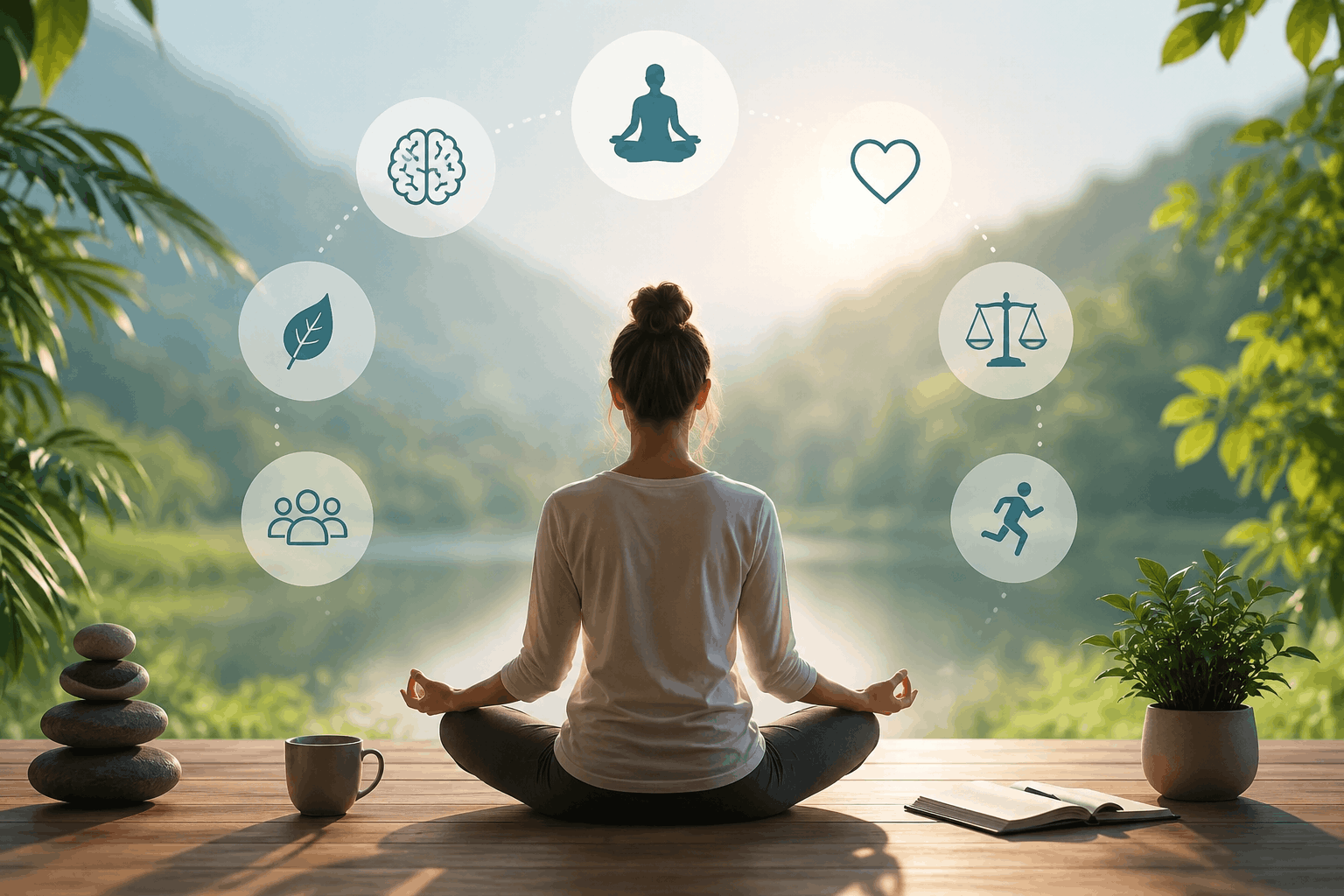
In today’s fast-paced world, stress has quietly become a part of almost everyone’s daily routine. Work pressure, academic deadlines, relationship troubles, or simply the constant comparison culture of social media — all of it takes a toll on mental health. The good news is that small, consistent changes can go a long way in keeping stress under control.
📖 Also Read: Mirabai Chanu Completes Hat-Trick of Gold Medals at CWG 2026
Mental Health & Stress Management: Quick Facts
| Topic | Everyday stress management for mental well-being |
| Key Habits | Deep breathing, physical activity, sleep, journaling |
| Recommended Sleep | 7–8 hours per night |
| Daily Practice Time | As little as 5–10 minutes can help |
| Common Stress Triggers | Work pressure, overcommitment, social media comparison |
| When to Seek Help | When stress or low mood persists and affects daily life |
Note: This article is for general informational purposes and is not a substitute for professional medical or mental health advice.
Understanding Stress First
Stress itself isn’t entirely a bad thing. A manageable amount of it can keep you alert and help you get things done. But when stress becomes constant, it can start affecting sleep, digestion, immunity, and overall mood. Prolonged stress is also closely linked to feelings of anxiety and persistent fatigue, which is why recognizing and managing it early matters.
Simple, Effective Ways to Manage Stress
1. Practice Deep Breathing
Whenever stress builds up, take a few minutes to breathe slowly and deeply. This helps calm the nervous system and offers quick relief to the mind. Just five minutes of this practice a day can make a noticeable difference.
2. Stay Physically Active
Walking, yoga, dancing, or any light exercise — moving your body is good for your mind too. Physical activity triggers the release of endorphins, which naturally help improve mood.
3. Prioritize Sleep
Good sleep is the foundation of mental health. Aim for 7–8 hours a night, and try to keep some distance from your phone screen before bed. Lack of sleep tends to amplify stress significantly.
4. Write Down or Talk About Your Feelings
Journaling your thoughts or talking to someone you trust can lighten the emotional load. Trying to carry everything alone often makes stress harder to manage — sharing it helps.
5. Learn to Say No
You don’t have to say yes to every task or responsibility. Setting clear boundaries and sticking to them protects you from feeling constantly overwhelmed.
6. Watch Your Screen Time
Constant scrolling and comparing your life to others online can quietly increase stress and anxiety. Spending some time away from your phone each day can bring real mental clarity.
7. Enjoy the Small Moments
A cup of tea, a favorite song, a few minutes outdoors — small things like these can offer genuine calm. You don’t need to wait for a big occasion to feel good.
When to Seek Professional Help
If stress, sadness, or anxiety persists over time and starts affecting your daily life, reaching out to a counselor, therapist, or doctor is a responsible and strong step to take. Mental health deserves to be taken just as seriously as physical health.
Key Talking Points
1. Small Habits Add Up
You don’t need a complete lifestyle overhaul — consistent small habits like breathing exercises and better sleep can meaningfully reduce everyday stress over time.
2. Boundaries Are a Form of Self-Care
Learning to say no and protecting your time isn’t selfish — it’s an essential part of preventing burnout and long-term stress.
3. Asking for Help Is a Strength
Seeking professional support when stress becomes overwhelming isn’t a sign of weakness — it’s a proactive step toward better mental health.
Mental Health & Stress Management: Frequently Asked Questions (FAQs)
What is the easiest way to reduce stress quickly?
Deep, slow breathing for a few minutes is one of the quickest and most accessible ways to calm the nervous system in a stressful moment.
How much sleep is needed for good mental health?
Most adults benefit from 7–8 hours of sleep a night, as poor sleep tends to worsen stress and lower mood over time.
Does exercise really help with stress?
Yes. Physical activity releases endorphins, which naturally help lift mood and reduce feelings of stress and anxiety.
When should someone consider therapy or counseling?
If stress, anxiety, or low mood persists for an extended period and begins interfering with daily life, work, or relationships, it’s a good time to consult a mental health professional.
Can social media affect mental health?
Yes, constant scrolling and comparison on social media can contribute to increased stress and anxiety, making mindful screen time an important part of stress management.
Conclusion — Small Steps, Real Impact
Taking care of your mental health isn’t a luxury — it’s a necessity. Small, consistent changes like deep breathing, staying active, prioritizing sleep, and staying connected with loved ones can significantly reduce everyday stress. Be kind to yourself, and remember that asking for help is not a weakness — it’s a sign of self-awareness and strength.
Stay tuned to Mirrorly.in for more health and wellness updates.
📖 Also Read: Mirabai Chanu Completes Hat-Trick of Gold Medals at CWG 2026