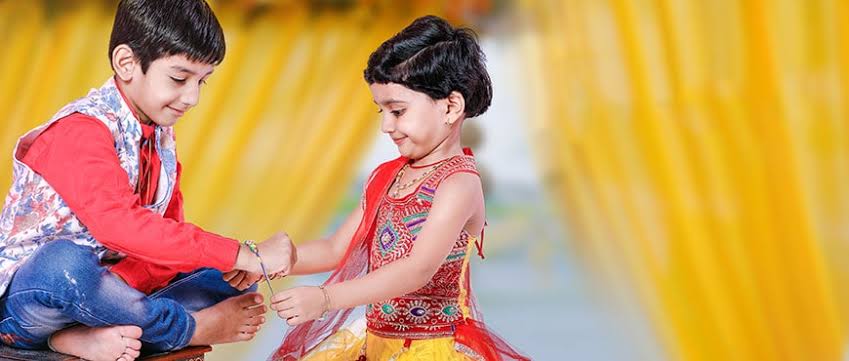
Raksha Bandhan is one of India’s most cherished festivals, a day dedicated entirely to the bond between brothers and sisters. The word itself comes from Sanskrit, “raksha” meaning protection and “bandhan” meaning bond or tie, and that’s exactly what the festival represents: a sacred thread tied by a sister on her brother’s wrist as a symbol of love, and his promise to protect and stand by her in return. Celebrated every year during the Hindu month of Shravan, Raksha Bandhan brings families together across India and among Indian communities worldwide.
Raksha Bandhan: Quick Overview
| Meaning | “Bond of protection” between siblings |
| When Celebrated | Full moon day (Purnima) of Shravan month |
| Main Ritual | Sister ties a rakhi on her brother’s wrist |
| Symbolizes | Sibling love, protection, and lifelong bond |
| Common Gifts | Sweets, money, clothes, or personal gifts |
| Celebrated By | Hindu families across India and worldwide |
Note: Dates for Raksha Bandhan follow the Hindu lunar calendar and vary slightly each year.
The History and Mythology Behind Raksha Bandhan
Raksha Bandhan’s roots go back centuries, and several stories from Indian mythology and history are associated with it. One of the most popular tales involves the goddess Draupadi tying a piece of cloth on Lord Krishna’s wrist to stop his bleeding, a gesture Krishna is said to have promised to repay in kindness for the rest of her life. Historical accounts also mention Rani Karnavati of Chittor sending a rakhi to Emperor Humayun, asking for his protection against an invading army, showing that the thread has long stood for a bond of trust that goes beyond blood relation.
Over time, the festival evolved into the widely celebrated occasion it is today, centered specifically on the relationship between brothers and sisters, though its spirit of protection and trust has always been broader.
How Raksha Bandhan Is Celebrated
1. The Rakhi Tying Ceremony
The heart of Raksha Bandhan is the rakhi ceremony itself. Sisters perform a small puja, apply a tilak on their brother’s forehead, tie the sacred thread on his wrist, and offer sweets. In return, brothers promise to protect and support their sisters, often gifting money, clothes, or something meaningful in return.

2. Family Gatherings and Feasts
Raksha Bandhan is as much about family as it is about the ritual itself. Many households prepare special meals and sweets, with relatives often traveling home just for the day to be with their siblings.
3. Rakhis for Extended Family and Loved Ones
While the festival traditionally centers on biological siblings, many people now tie rakhis to cousins, close friends, and even neighbors they consider family, reflecting the festival’s deeper meaning of trust and protection rather than just bloodline.
What Raksha Bandhan Really Represents
- Protection: A brother’s promise to stand by his sister through difficulties
- Trust: A bond that isn’t limited to blood relatives
- Gratitude: A sister’s appreciation for her brother’s support
- Continuity: A tradition passed down and kept alive across generations
- Togetherness: A reason for families to reunite, even briefly
Modern-Day Raksha Bandhan
While the core ritual has stayed the same, how people celebrate Raksha Bandhan has changed with the times. Siblings living far apart now send rakhis by post or courier, and video calls have become a common way to complete the ceremony when a family can’t be together in person. Personalized and eco-friendly rakhis have also grown popular in recent years, alongside the traditional designs passed down through generations.
Raksha Bandhan: Frequently Asked Questions (FAQs)
What does Raksha Bandhan mean?
Raksha Bandhan literally means “bond of protection,” symbolizing a sister tying a sacred thread on her brother’s wrist and his promise to protect her in return.
When is Raksha Bandhan celebrated?
It falls on the full moon day (Purnima) of the Hindu month of Shravan, usually in August, though the exact date shifts slightly each year based on the lunar calendar.
Can Raksha Bandhan be celebrated with someone who isn’t a biological sibling?
Yes, many people tie rakhis to cousins, close friends, and others they consider family, since the festival is ultimately about trust and protection, not just bloodline.
What do brothers usually give in return for a rakhi?
Brothers typically give gifts, money, or a promise of support in return, though the exact gesture varies widely by family and personal tradition.
Conclusion — A Festival Built on Trust and Love
Raksha Bandhan endures because its message is simple and timeless: siblings looking out for one another. Whether it’s a thread tied in person or a rakhi sent across the world, the festival continues to bring families together and celebrate a bond that goes far beyond a single day.
Stay tuned to Mirrorly.in for more festival and culture reads.
📖 Also Read: 5 Green Flags In A Friendship That Matter More Than Shared Interests