WhatsApp Username Feature: India Government May Send Formal Notice to Meta Over Online Fraud and Impersonation Concerns

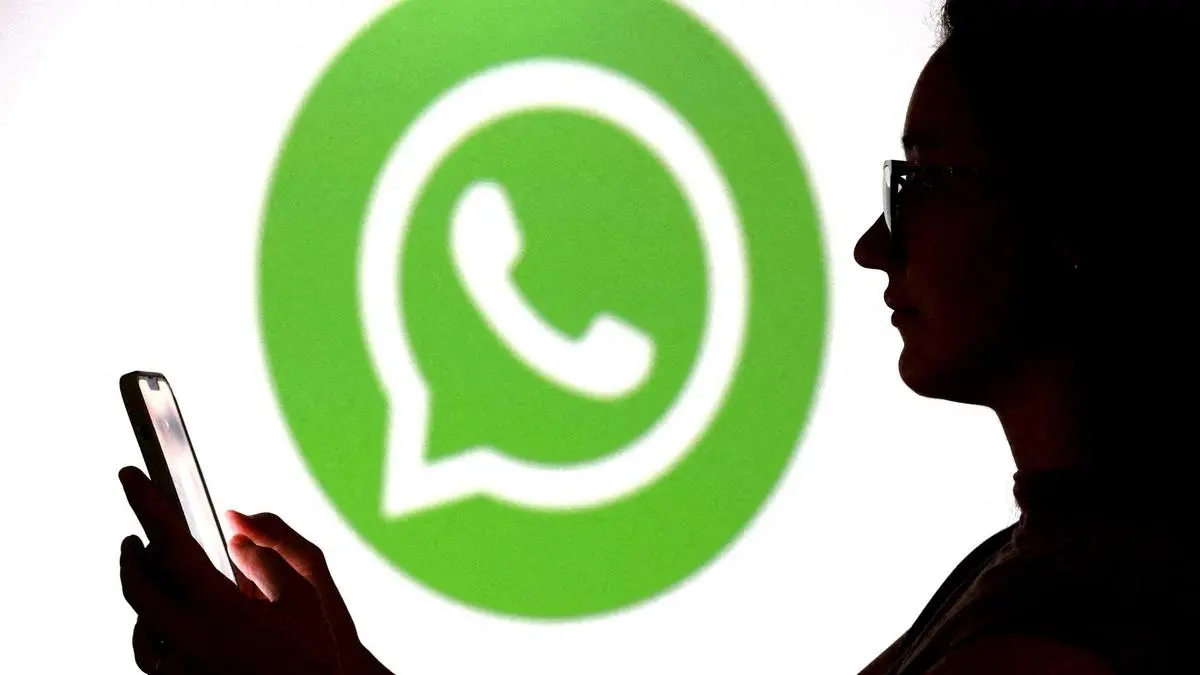
The Indian government is considering sending a formal notice to Meta over WhatsApp’s newly announced username feature, amid serious concerns about online fraud, impersonation and scams, according to sources quoted by IANS on July 1, 2026. The feature — which allows users to connect with others using a unique @handle instead of sharing their phone number — began rolling out globally on June 29, 2026, the same day WhatsApp opened username reservations for its more than three billion users. While Meta positions the feature as a major privacy upgrade, government sources and cybersecurity experts warn it could open new avenues for criminals to impersonate public figures, businesses, and government officials at scale.
The scrutiny comes at a particularly sensitive moment. India has 500 million WhatsApp users — the platform’s single largest national market — and the government recently imposed restrictions on Telegram ahead of the NEET re-examination over fears of question paper leaks. The WhatsApp username review signals a pattern: Indian authorities are taking a harder look at features on major messaging platforms that could complicate law enforcement, traceability or consumer protection. In this blog, we explain exactly what the WhatsApp username feature does, why the government is alarmed, what Indian law says, and what it could mean for you as a user.
📖 Also Read: WhatsApp New CEO Kunal Shah — CRED Founder to Lead WhatsApp Globally
WhatsApp Username Feature India — Key Facts at a Glance
| Feature | WhatsApp Usernames — unique @handle for messaging without sharing phone number |
| Global Rollout Date | June 29, 2026 (reservations opened for 3 billion users) |
| Full Feature Launch | Later in 2026 (phased rollout) |
| India’s Response | Government examining the feature — formal notice to Meta under consideration |
| Key Concerned Ministry | Ministry of Electronics and Information Technology (MeitY) |
| Key Law Involved | Telecom Cyber Security Rules, 2024 (SIM-binding mandate) |
| Core Government Concern | Impersonation, online fraud, reduced traceability of bad actors |
| India WhatsApp Users | 500 Million+ — world’s largest WhatsApp market |
| WhatsApp CEO (New) | Kunal Shah (CRED founder, appointed June 22, 2026) |
| Related Action | Telegram ban June 16–22 over NEET question paper leak fears |
Note: All details are based on reports from IANS and Free Press Journal published on July 1, 2026, and official WhatsApp announcements. The government has not yet issued a formal notice at the time of publishing — sources indicate one is under consideration.
What Exactly Is the WhatsApp Username Feature?

WhatsApp began rolling out username reservations on June 29, 2026, for all three billion of its users globally — a feature that has been in development since at least May 2023 and was formally announced by Meta in October 2024. The feature works simply: users running the latest version of WhatsApp can go to Settings → Account → Username, choose a unique @handle between three and 35 characters long, and share that handle instead of their phone number to connect with new people.
Importantly, the username does not replace the phone number entirely. WhatsApp still requires a verified mobile number for account registration, and existing contacts who already have your phone number continue to see it as before. The username acts as a privacy layer specifically for new connections — so that users no longer need to hand over their phone number to a stranger, a marketplace seller, a new colleague, or a business contact just to start a conversation.
| Feature Detail | How It Works |
| Username Format | 3–35 characters — letters, numbers, underscores, periods allowed |
| What It Replaces | Phone number sharing for new connections only |
| What It Does NOT Replace | Phone number is still required for registration and account maintenance |
| Optional 4-Digit Key | Even if someone knows your @handle, they need a 4-digit key to start a chat — keyless senders go to a ‘Requests’ folder |
| Business Version | Business-Scoped User ID (BSUID) — replaces phone numbers in API integrations |
| Protected Handles | Usernames cannot begin with “www.” or end in “.com” — reserved to curb phishing |
| Priority Access | Businesses and verified accounts get first access to claim handles matching their Instagram or Facebook names |
| Similar To | Telegram (has had usernames for years), Signal (introduced usernames in 2024) |
Why Is the Indian Government Alarmed?
At the heart of the government’s concern is a direct conflict between WhatsApp’s privacy goal and India’s anti-fraud regulatory framework. The Telecom Cyber Security Rules, 2024, enforced by the Department of Telecommunications (DoT), impose strict SIM-binding mandates on messaging platforms operating in India. These mandates require platforms to link accounts to verified mobile numbers — precisely to ensure traceability when law enforcement needs to track digital fraud, cybercrime or national security threats.
Government sources told IANS that messaging platforms like WhatsApp must ensure their products are not misused for impersonation or misinformation. Specifically, officials raised three overlapping concerns about the username feature:
- Impersonation risk — fake usernames that closely resemble the handles of well-known public figures, politicians, government agencies or businesses could deceive millions of users. Entrepreneur Ankur Warikoo publicly flagged exactly this concern after the feature was announced.
- Online fraud escalation — cybercriminals currently need a real SIM card to operate on WhatsApp, creating a traceable link. Usernames that allow contact without phone number sharing reduce that traceability in practice, even if registration still requires a number.
- Law enforcement complications — when a scam is reported, investigators currently trace the phone number. A username-first interaction model could delay or complicate this investigative chain.
Fact 1 — The Telegram Precedent: Why This Time Is Different
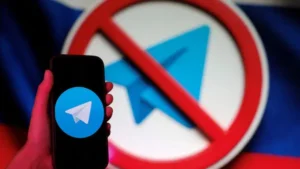
The government’s scrutiny of WhatsApp’s username feature did not emerge in isolation. Authorities recently banned Telegram from June 16 to June 22 — a six-day restriction imposed directly ahead of the NEET medical entrance re-examination. MeitY alleged that Telegram groups were actively leaking examination papers and that the platform repeatedly failed to act despite complaints raised by the ministry. The ban represented one of the most direct government interventions against a major messaging platform India had seen in years.
Accordingly, the WhatsApp username review fits a broader and hardening pattern: Indian authorities now treat new features on major messaging platforms as items requiring proactive regulatory review, not just reactive complaints. The government’s position, as sources described it to IANS, is that platforms bear accountability if new features create opportunities for fraud — regardless of the privacy benefits those features may simultaneously deliver to legitimate users.
Fact 2 — Indian Law vs WhatsApp’s Privacy Vision: The Core Conflict
The tension between WhatsApp’s username feature and Indian law is genuine and structural. Indian regulations under the Telecom Cyber Security Rules, 2024, specifically require messaging platforms to link user accounts to verified mobile numbers. This SIM-binding requirement exists to give law enforcement a reliable point of traceability — when someone runs a fraud operation via WhatsApp, investigators can subpoena the platform for the registered phone number and trace the SIM card through telecom operators.
WhatsApp’s own design preserves this requirement at the registration level — usernames do not eliminate phone numbers from the system. However, the practical concern is different. If a scammer operates using only a username-based identity in their victim-facing interactions, the victim may never know or share the phone number in a fraud complaint — potentially complicating the initial investigation, even if the phone number remains technically accessible at the platform level.
| Aspect | WhatsApp’s Position | India Government’s Concern |
| Phone number requirement | Still mandatory for account registration | Victim-facing anonymity via username still complicates fraud tracing |
| Privacy benefit | Users share less personal data with strangers and businesses | Same anonymity layer benefits fraudsters operating under fake @handles |
| Impersonation safeguards | Handles cannot use “www.” or “.com” suffixes; reserved handles for verified entities | Insufficiently robust to prevent fake handles mimicking officials or brands |
| Legal compliance | Phone number still tied to account — Telecom Rules technically met | Spirit of SIM-binding mandates undermined by username-first interactions |
Fact 3 — What Cybersecurity Experts Say
Cybersecurity experts have responded to the username feature with nuanced concern rather than outright opposition. Most agree that the privacy benefit for legitimate users is real — particularly in India, where WhatsApp serves as the primary communication channel for everything from family groups to business negotiations, and where sharing a phone number with an unknown party carries genuine risks.
Nevertheless, the same experts warn that any feature reducing the friction of anonymous contact creates a new attack surface. India already faces one of the world’s highest volumes of digital fraud — including WhatsApp-based investment scams, fake government official impersonations, and romance fraud operations. Critics note that bad actors who currently must obtain and register a SIM card to operate on WhatsApp will, under a username system, be able to present a more convincing false identity to their victims before any SIM-level tracing begins. Entrepreneur Ankur Warikoo specifically flagged on social media that usernames closely resembling well-known individuals or businesses could easily fool people — especially those who are less digitally literate.
Fact 4 — WhatsApp’s Safeguards — Are They Enough?
Meta has built several anti-abuse measures into the username system, though whether these satisfy Indian regulators remains to be seen. Usernames cannot begin with “www.” or end in common domain suffixes like “.com” — a direct attempt to prevent phishing handles that mimic websites. Some handles are being reserved for governments, public figures, and verified businesses, who receive the ability to mirror their existing Instagram or Facebook handles. An optional four-digit key provides an additional gate — even someone who knows a user’s @handle must receive that key before initiating a conversation, with keyless requests going to a separate folder rather than the main inbox.
However, critics point out that these measures address only the most obvious categories of abuse. A fake @handle that resembles a government department without literally containing “www.” or “.com” could still convincingly impersonate a real entity. The verification system for reserved handles covers only a subset of public figures and businesses — not the millions of ordinary people or small businesses whose names a scammer could mimic effectively.
Fact 5 — What Happens Next: Government’s Options
Sources indicate the government is weighing several possible responses. The first option is a formal notice to Meta requiring the company to explain how the username feature complies with India’s Telecom Cyber Security Rules, 2024, and what additional safeguards it plans to implement for the Indian market specifically. A second possibility involves MeitY directing WhatsApp to delay the feature’s full rollout in India until additional anti-abuse mechanisms are in place. The most serious outcome — though currently considered unlikely — would be a restriction similar to the Telegram ban, limiting WhatsApp’s operations in India while the feature is reviewed.
| Government Option | Likelihood | Impact |
| Formal notice to Meta asking for compliance explanation | High — most likely immediate step | Forces Meta to publicly address Indian regulatory concerns |
| MeitY directing WhatsApp to delay India rollout | Medium — possible if notice is unsatisfactory | Indian users get delayed or modified version of the feature |
| Mandatory additional safeguards for India specifically | Medium — increasingly common approach | WhatsApp may need India-specific verification layer for usernames |
| Full restriction or ban similar to Telegram | Low — WhatsApp’s scale makes this a nuclear option | Massive disruption — 500M+ Indian users affected |
What This Means for Indian WhatsApp Users

For most Indian users, the immediate impact is minimal — WhatsApp only opened username reservations on June 29, and the full feature launch comes later in 2026. The government’s review, even if it results in a formal notice, typically runs over weeks or months rather than triggering an overnight change. However, a few scenarios could affect users depending on how this develops.
- If the government delays the India rollout — Indian users may not get the username feature at the same time as users in other countries, or may receive a version with additional verification requirements
- If Meta adds India-specific safeguards — Indian usernames may require Aadhaar-linked verification or additional identity steps not required in other markets
- If no action is taken — the feature rolls out as planned globally, including in India, later in 2026
- Regardless of outcome — users should be aware that fake usernames impersonating officials, businesses, or banks are already a foreseeable fraud vector and exercise caution with any unknown @handle contact
India Govt vs WhatsApp Username Feature — Frequently Asked Questions (FAQs)
What is the WhatsApp username feature?
WhatsApp’s username feature lets users create a unique @handle (3–35 characters) and use it to connect with new people without sharing their phone number. Reservations opened for three billion users globally on June 29, 2026, with the full feature launching later in the year. The phone number remains mandatory for account registration — the username is a privacy layer for new connections only.
Why is the Indian government reviewing the WhatsApp username feature?
The government is concerned that usernames could enable impersonation, online fraud and scams at scale by allowing bad actors to operate under fake @handles that resemble public figures, government agencies or businesses. Indian law under the Telecom Cyber Security Rules, 2024, requires messaging platforms to link accounts to verified phone numbers — officials fear the username feature’s practical effect could undermine this anti-fraud framework.
Will India ban WhatsApp like it banned Telegram?
A full ban is considered unlikely given WhatsApp’s 500 million Indian users — that scale makes an outright ban an extremely high-stakes political decision. More likely outcomes include a formal notice to Meta, possible delay of the feature’s Indian rollout, or requirements for India-specific anti-abuse measures such as Aadhaar-linked username verification.
Is the WhatsApp username feature available in India right now?
WhatsApp opened username reservations globally — including India — on June 29, 2026. However, the full messaging-via-username feature launches later in 2026 as part of a phased rollout. The government review may affect the timeline or terms of the Indian launch specifically.
What happens to my phone number if I create a WhatsApp username?
Your phone number does not go away. WhatsApp still requires a verified mobile number for account registration and your existing contacts who already have your number will continue to see it. The username only affects new connections — giving you the option to share @handle instead of your phone number when meeting people for the first time.
Can someone impersonate me with a fake WhatsApp username?
This is precisely the concern Indian authorities and cybersecurity experts are raising. WhatsApp has some safeguards — usernames cannot use “www.” or “.com” formats, and verified entities get reserved handles. However, a fake @handle can still closely resemble a real person’s name or a business without triggering these restrictions, making impersonation a genuine risk that the current safeguards do not fully address.
What is MeitY’s role in regulating WhatsApp in India?
The Ministry of Electronics and Information Technology (MeitY) oversees digital platforms and has authority to issue notices to platforms like WhatsApp and Meta under India’s IT Act and related regulations. MeitY recently alleged that Telegram failed to act against groups leaking NEET examination papers, leading to a six-day Telegram restriction in June 2026. The ministry now applies similar scrutiny to WhatsApp’s username feature rollout.
Conclusion — Privacy vs Security: India’s Ongoing Battle With Big Tech
The WhatsApp username feature review encapsulates a tension that India’s digital regulators navigate constantly: a feature that genuinely improves privacy for hundreds of millions of legitimate users simultaneously opens new doors for the minority of bad actors who exploit every available loophole. WhatsApp’s case for the feature is sound — phone number sharing is a real privacy risk, and 500 million Indian users would benefit from the ability to connect without exposing their mobile number to strangers, marketplaces and businesses.
Yet the government’s concern is equally legitimate. India faces an enormous digital fraud problem, and the existing SIM-binding framework — imperfect as it is — provides at least a baseline of traceability that investigators can use. A feature that shifts the primary interaction identifier from a traceable phone number to a potentially fake username, without robust real-time verification, could meaningfully complicate the already difficult work of pursuing cybercriminals at scale.
Ultimately, the question is not whether WhatsApp should have usernames — it is whether the safeguards are robust enough for India’s specific fraud landscape. Whether MeitY and Meta can find an answer that satisfies both privacy and security will determine whether Indian users get the same feature, a modified version, or a delayed one. Stay tuned to Mirrorly.in for all updates as this story develops.
📖 Also Read: Awarapan 2: Emraan Hashmi Returns as Shivam Pandit After 19 Years