Financial planning for beginners might sound intimidating, but at its core, it’s simply the process of understanding where your money comes from, where it goes, and how to use it toward your future goals. For anyone just starting their financial journey, getting the basics right early on can make a significant difference down the line.
📖 Also Read: 72nd National Film Awards 2026: Full List of Winners
Financial Planning for Beginners: Quick Facts
| Core Idea | Structured control over income, spending, and goals |
| Popular Budgeting Rule | 50-30-20 (needs, wants, savings) |
| Recommended Emergency Fund | 3–6 months of expenses |
| First Priority | Pay off high-interest debt before investing |
| Common Investment Options | SIPs, mutual funds, PPF, NPS |
| Often Overlooked | Health and term insurance |
Note: This article is for general informational purposes and is not a substitute for advice from a certified financial advisor.
Why Financial Planning Matters
Earning and spending without a plan might feel simple, but it often leads to little to no savings, added stress during emergencies, and difficulty achieving bigger goals like buying a home, funding education, or retiring comfortably. Good financial planning for beginners offers more control over your money and greater peace of mind.
7 Steps to Start Your Financial Planning Journey
1. Understand Your Income and Expenses
The first step is knowing exactly how much you earn each month and where it goes. Track every expense for a month to get a clear, honest picture of your actual spending patterns.
2. Create a Simple Budget
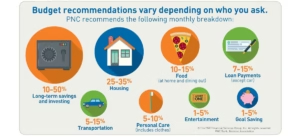
Build a budget around your income and essential expenses. A popular and simple approach is the 50-30-20 rule:
- 50% for essential needs (rent, bills, groceries)
- 30% for wants (shopping, entertainment)
- 20% for savings and investments
3. Build an Emergency Fund
Before starting any investments, it’s important to build an emergency fund equal to 3 to 6 months of expenses. This fund acts as a safety net for job loss, medical emergencies, or unexpected costs.
4. Manage Existing Debt
If you already have debt, such as credit card balances or personal loans, prioritize paying off high-interest debt first. Clearing debt sooner makes it much easier to move toward consistent saving and investing.
5. Set Clear Financial Goals
Write down your short-term (a trip, a gadget), medium-term (a wedding, a car), and long-term (a home, retirement) goals. Clear goals make it easier to decide how much to invest and where.
6. Start Investing Gradually
Once your emergency fund and basic savings are in place, begin investing based on your goals, whether that’s through SIPs, mutual funds, or retirement-focused options like PPF or NPS. Starting small is completely fine.
7. Don’t Overlook Insurance
Health insurance and term insurance are a crucial part of financial planning. They protect your family financially in the event of a medical emergency or unforeseen circumstances.
Key Tips for Beginners
- Set aside savings before spending, following the “pay yourself first” principle
- Use a simple app or spreadsheet to track expenses consistently
- Review your budget and goals every six months
- Avoid rushed financial decisions — consult an advisor when needed
Key Talking Points
1. Small Steps Compound Over Time
You don’t need a large income to start financial planning — consistent small habits, like tracking expenses and saving a fixed percentage, build significant results over time.
2. Emergency Funds Come Before Investments
A common mistake beginners make is investing before building a safety net, which can leave them exposed during unexpected financial setbacks.
3. Insurance Is Part of Planning, Not an Afterthought
Health and term insurance are often skipped by beginners focused only on investing, even though they play a critical protective role in a complete financial plan.
Financial Planning for Beginners: Frequently Asked Questions (FAQs)
Where should a beginner start with financial planning?
The best starting point in financial planning for beginners is understanding your income and expenses, followed by creating a simple budget.
How much should an emergency fund be?
Most experts recommend building an emergency fund equal to 3 to 6 months of your regular living expenses.
Should I pay off debt or start investing first?
It’s generally best to pay off high-interest debt, like credit card balances, before starting to invest, since the interest owed often outweighs potential investment returns.
What is the 50-30-20 budgeting rule?
It’s a simple guideline that allocates 50% of income to needs, 30% to wants, and 20% to savings and investments.
Is insurance really necessary for beginners?
Yes, health and term insurance provide essential financial protection and are considered a core part of any complete financial plan, even for those just starting out.
Conclusion — Build the Habit, Not Just the Plan
Financial planning for beginners isn’t a one-time task — it’s an ongoing habit. Budgeting, building an emergency fund, managing debt, and investing gradually all work together to create a strong financial foundation. Starting small is fine; what matters most is staying consistent over time.
Stay tuned to Mirrorly.in for more personal finance guides and updates.
📖 Also Read: 72nd National Film Awards 2026: Full List of Winners