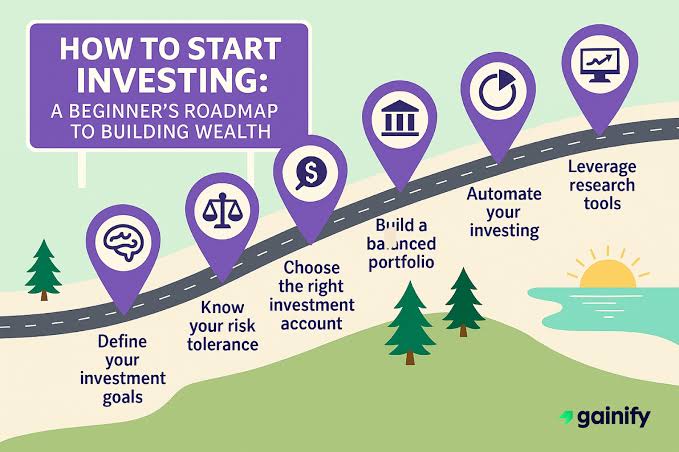
Getting started often feels like the hardest part of investing. Complicated terminology, endless options, and the fear of losing money keep many people on the sidelines for years. However, investing for beginners doesn’t have to be complicated. Once you understand a few core concepts, the process becomes far less intimidating. This guide breaks down what you actually need to know before putting your first rupee, dollar, or any currency to work in the market.
Investing for Beginners: Quick Overview
| Before You Invest | Build an emergency fund first |
| Common Starting Point | Index funds or diversified mutual funds |
| Key Principle | Diversification reduces risk |
| Time Horizon | Longer horizons generally allow more risk |
| Biggest Advantage | Starting early lets compound growth work longer |
| Common Mistake | Trying to time the market perfectly |
Note: This article is for general educational purposes only and isn’t financial advice. Consult a qualified financial advisor before making investment decisions.
Investing for Beginners: The Core Concepts
1. Understand What Investing Actually Means
Investing simply means putting money into an asset with the expectation that it grows in value over time. Unlike saving, which keeps money safe but largely static, investing accepts some risk in exchange for potentially higher returns.
2. Build an Emergency Fund Before You Invest
Before putting money into the market, make sure you have accessible savings for unexpected expenses. Otherwise, a sudden financial need might force you to sell investments at the wrong time, potentially locking in a loss.
3. Learn the Difference Between Stocks and Mutual Funds
A stock represents partial ownership in a single company, so its value depends entirely on that company’s performance. A mutual fund, on the other hand, pools money from many investors to buy a mix of assets. As a result, mutual funds offer built-in diversification, which typically makes them a gentler starting point for beginners.
4. Understand Risk and Diversification
Spreading investments across different companies, sectors, or asset types reduces the impact if any single investment performs poorly. Consequently, diversification is one of the simplest, most effective ways to manage risk without sacrificing long-term growth potential.
5. Let Compound Growth Work in Your Favor
Compound growth means your returns start generating their own returns over time. Because of this, starting to invest early, even with small amounts, often matters more than the specific amount you invest each month.
6. Match Your Investments to Your Time Horizon
Money you’ll need within the next few years generally belongs in safer, more stable options. Money you won’t touch for a decade or more can typically handle more risk, since it has time to recover from short-term market swings.
Common Mistakes Beginners Make
- Trying to time the market: Even experienced investors rarely predict short-term movements accurately
- Investing money you’ll need soon: Leaves you vulnerable to selling at a loss during a downturn
- Chasing trends or hot tips: Often leads to buying high and selling low
- Ignoring fees: High fees can quietly erode returns over the long run
- Checking investments too often: Frequent checking often leads to emotional, reactive decisions
How to Actually Get Started
1. Start With a Small, Consistent Amount
You don’t need a large sum to begin. Instead, starting with a small, regular investment, like a monthly SIP or automatic transfer, builds the habit while keeping risk manageable.
2. Choose a Simple, Diversified Starting Point
Broad index funds or diversified mutual funds offer instant diversification without requiring deep research into individual companies. Therefore, they’re often recommended as a solid first step for beginners.
3. Automate and Stay Consistent
Setting up automatic monthly investments removes the temptation to time the market or skip contributions. Over time, this consistency tends to matter more than any single investment decision.
Investing for Beginners: Frequently Asked Questions (FAQs)
How much money do I need to start investing?
Many platforms now allow you to start investing with very small amounts, sometimes as little as a few hundred rupees or dollars, making it accessible for almost anyone.
Is investing risky for beginners?
All investing carries some risk, but starting with diversified options like index funds and maintaining a long time horizon generally helps manage that risk more effectively.
Should I invest a lump sum or invest gradually?
Investing gradually through regular monthly contributions, rather than all at once, tends to reduce risk for beginners and builds a consistent habit over time.
What should I do before I start investing?
Building an emergency fund and paying off high-interest debt first generally puts you in a stronger position before committing money to investments.
Conclusion — Start Small, Stay Consistent
Investing for beginners doesn’t require perfect timing or expert knowledge to get started. It requires a basic understanding of risk, a bit of patience, and consistency over time. Start small, keep learning as you go, and let compound growth do the heavy lifting over the years ahead.
📖 Also Read: Boost Your Metabolism Naturally: 10 Simple, Real Tips