Building wealth rarely comes down to a single lucky break. Instead, it usually comes from small, consistent habits practiced over years. The right personal finance tips don’t require a finance degree or a six-figure salary to work. They simply require consistency. Below, we break down ten realistic habits that help you take control of your money, whether you’re just starting out or looking to tighten up an existing plan.
Personal Finance Tips: Quick Overview
| Emergency Fund Goal | 3–6 months of essential expenses |
| Savings Rule of Thumb | 50/30/20 (needs/wants/savings) |
| Debt Priority | Pay off high-interest debt first |
| Investing Starting Point | Start early, even with small amounts |
| Common Mistake | Spending before saving, instead of the reverse |
| Best First Step | Track where your money actually goes |
Note: This article is for general educational purposes only and isn’t financial advice. Consult a qualified financial advisor before making major money decisions.
10 Personal Finance Tips That Actually Work
1. Track Where Your Money Actually Goes
You can’t manage what you don’t measure. So, before making any changes, spend a month tracking every expense, no matter how small. This step alone often reveals spending patterns you didn’t realize existed.
2. Build a Simple Budget You’ll Actually Follow
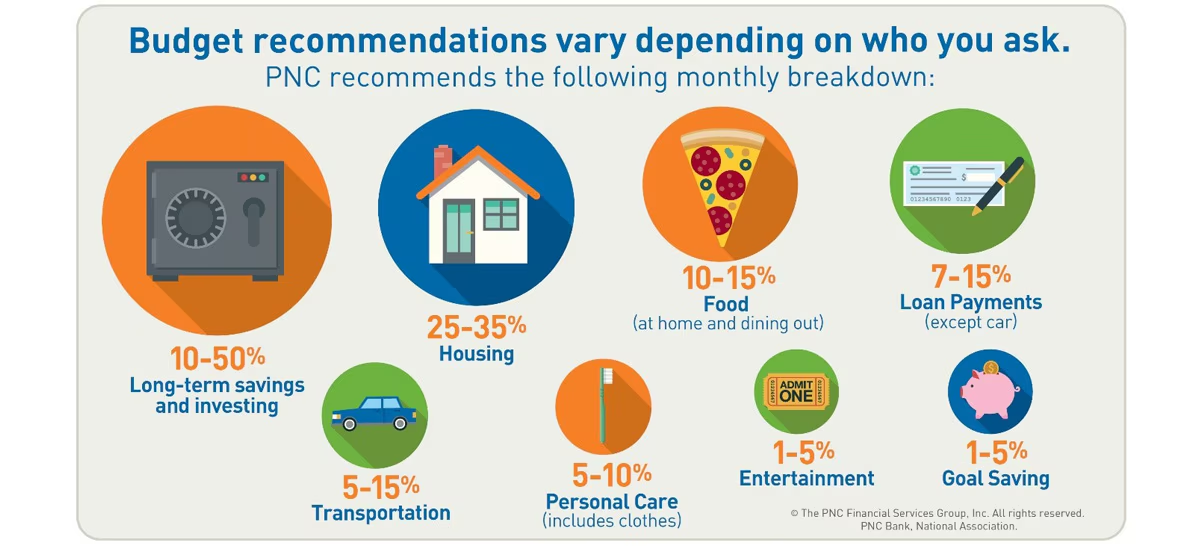
The 50/30/20 rule offers a good starting point: 50% of income toward needs, 30% toward wants, and 20% toward savings and debt repayment. However, the exact percentages matter less than sticking to a budget consistently.
3. Pay Yourself First
Instead of saving whatever’s left at the end of the month, set aside savings the moment income arrives. Automating this transfer removes the temptation to spend it first and makes saving effortless over time.
4. Build an Emergency Fund Before Anything Else
Unexpected expenses, medical bills, job loss, or urgent repairs, can derail even a solid financial plan. For that reason, aim to save 3 to 6 months of essential expenses in an easily accessible account before focusing heavily on investing.
5. Tackle High-Interest Debt Aggressively
Credit card debt and high-interest loans often grow faster than most investments can realistically earn. Because of this, paying down high-interest debt first usually delivers a better return than investing while that debt remains outstanding.
6. Start Investing Early, Even With Small Amounts
Time in the market matters more than timing the market. Therefore, starting to invest early, even with modest monthly amounts, gives compound growth more years to work in your favor.
7. Avoid Lifestyle Inflation
As income grows, spending often grows right along with it. Instead, try to keep spending relatively stable as your income rises, and redirect the difference toward savings and investments.
8. Review Subscriptions and Recurring Expenses Regularly
Small recurring charges add up quickly and often go unnoticed. So, reviewing subscriptions every few months helps you cut costs that no longer add real value to your life.
9. Set Specific, Measurable Financial Goals
A vague goal like “save more money” rarely leads anywhere. Instead, specific goals, such as saving a set amount for a down payment within two years, give your financial habits real direction and motivation.
10. Review and Adjust Your Plan Every Few Months
Life circumstances change, and your financial plan should change with them. Consequently, reviewing your budget, goals, and progress every few months helps you catch problems early and stay on track.
Common Personal Finance Mistakes to Avoid
- No emergency fund: Leaves you vulnerable to debt during unexpected expenses
- Only making minimum debt payments: Extends debt for years and increases total interest paid
- Waiting to invest until you “have enough”: Delays the benefits of compound growth
- Ignoring a budget entirely: Makes it hard to identify where money actually goes
- Comparing your finances to others: Everyone’s income, expenses, and goals differ
Building a Financial Routine That Lasts
1. Automate What You Can
Automatic transfers to savings and investment accounts remove the need for willpower each month. As a result, good habits happen consistently, without requiring constant effort or decision-making.
2. Start Small and Build Momentum
Trying to overhaul your entire financial life overnight rarely works. Instead, start with one habit, like tracking expenses or building a small emergency fund, and build from there.
3. Educate Yourself Gradually
You don’t need to master every financial concept at once. Reading one article or book a month, and applying what you learn, adds up to meaningful knowledge over time.
Personal Finance Tips: Frequently Asked Questions (FAQs)
What is the most important personal finance tip for beginners?
Tracking your spending is usually the most important first step, since it reveals exactly where changes need to happen before you build a budget.
How much should I save in an emergency fund?
Most financial experts recommend saving 3 to 6 months of essential living expenses in an easily accessible account.
Should I pay off debt or invest first?
Generally, it’s smart to pay off high-interest debt first, since the interest often outweighs typical investment returns. Low-interest debt can sometimes be managed alongside investing.
Is it too late to start investing if I’m older?
No. While starting early offers more time for compound growth, starting later still provides meaningful benefits and is almost always better than not investing at all.
Conclusion — Wealth Is Built Through Habits, Not Luck
Personal finance tips work best when they turn into habits rather than one-time decisions. Tracking spending, building an emergency fund, managing debt, and investing consistently all compound over time. Start with one change today, stay consistent, and your financial position will steadily improve.
Stay tuned to Mirrorly.in for more finance and money management reads.
📖 Also Read: Boost Your Metabolism Naturally: 10 Simple, Real Tips