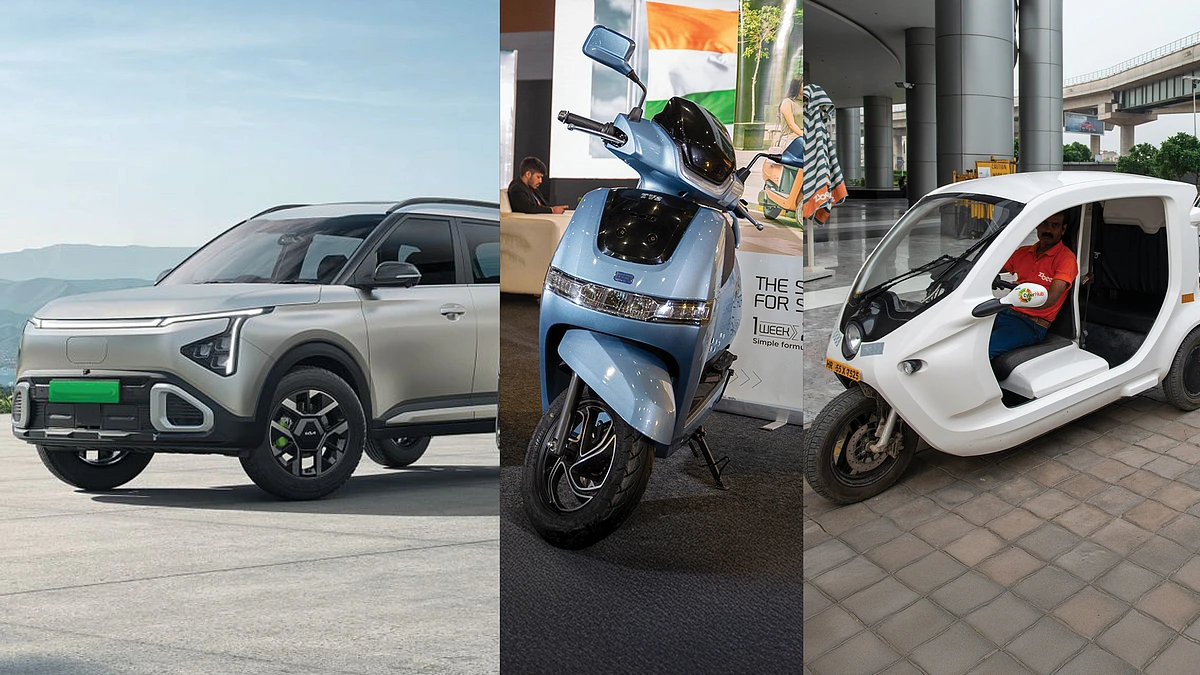
Electric vehicles in India 2026 are having a genuinely record-breaking year. The country’s EV market grew 43% year-on-year in the first half of 2026, with over 15.4 lakh units registered between January and June alone. Penetration has climbed past 11%, up from around 8% during the same period last year, marking one of the fastest shifts in India’s automotive history.
📖 Also Read: https://mirrorly.in/anti-aging-grooming-basics-8-habits-that-actually-help/
Electric Vehicles in India 2026: Quick Facts
| H1 2026 EV Sales | 15,41,377 units (Jan–Jun) |
| YoY Growth (H1 2026) | 43% |
| EV Penetration (H1 2026) | 11.43%, up from ~8% in H1 2025 |
| FY2026 Total EV Sales | Approximately 26.6 lakh units |
| Top Electric Car Maker | Tata Motors (43.5% market share, June 2026) |
| Fastest-Growing Segment | Electric cars, up 83% YoY in H1 2026 |
Note: Details in this report are based on coverage from JMK Research, IBEF, EVreporter, and Autocar Professional.
A Record-Breaking Year Across the Board
India’s EV industry crossed 26.6 lakh units sold in FY2026, up from roughly 2.05 million in FY2025, marking close to 30% year-on-year growth. Overall EV penetration in total automobile sales rose to around 8.6%, with every single vehicle sub-segment, two-wheelers, three-wheelers, passenger cars, and commercial vehicles, posting their best-ever annual sales figures. Monthly retail sales crossed the 200,000-unit mark five separate times during the fiscal year, hitting an all-time high of 280,093 units in March 2026 alone.
Electric Cars Are the Standout Story
While two-wheelers still dominate by volume, electric cars have emerged as the fastest-growing segment of electric vehicles in India 2026. Car sales jumped 83% year-on-year in the first half of 2026, with June alone seeing 33,656 units dispatched, a 26.4% jump over May. India’s electric passenger vehicle market is now expected to cross 3 lakh units sold for the first time in a single year, driven by an expanding range of models, improving charging infrastructure, and steady technological advancements.
Who’s Leading the Market
Tata Motors remains the clear leader in India’s electric car segment, commanding 43.5% market share in June 2026 with 14,657 units dispatched, a 41.2% jump from the previous month. Mahindra held onto second place with a 22.6% share, while MG Motor posted the strongest monthly growth of the three, up 33.8% month-on-month. Across the broader EV industry, Tata also leads e-goods carrier sales with over 43% share, while Switch Mobility topped the electric bus segment.
Two-Wheelers and Three-Wheelers Remain the Volume Backbone
Despite all the attention on electric cars, two-wheelers and three-wheelers still make up close to 87% of India’s total EV volumes. Electric two-wheeler sales alone accounted for nearly 58% of all EV sales in FY2026, while electric three-wheelers, especially in the passenger segment, continued to see strong adoption. Notably, this growth has held up even after the withdrawal of PM E-DRIVE incentives for cargo three-wheelers in late 2025, suggesting the segment’s momentum is increasingly being driven by genuine market demand rather than subsidies alone.
Where EV Adoption Is Strongest
State-level adoption varies significantly across India. Tripura recorded the highest EV penetration rate in the country at 18.38%, followed by Assam, Delhi, Kerala, and Goa. On the infrastructure side, Karnataka has emerged as the clear leader in charging infrastructure, hosting around 6,096 public charging stations as of late 2025, ahead of Maharashtra, thanks to early EV policy adoption and a strong push toward fleet electrification.
What’s Driving This Growth
A combination of factors is fueling the surge in electric vehicles in India 2026. Manufacturers have significantly widened their model range, with eight new electric car models launched in just the first half of the year, giving buyers considerably more choice than before. At the same time, charging infrastructure has continued to expand, and improving cost parity between EVs and traditional combustion vehicles is making the switch more financially practical for a broader range of buyers, not just early adopters.
Key Talking Points
1. Growth Is Broadening Beyond Two-Wheelers
While electric two-wheelers still lead in volume, the sharp rise in electric car sales signals that EV adoption in India is no longer confined to a single vehicle category.
2. Market Demand Is Outpacing Subsidies
Continued growth in segments like cargo three-wheelers even after incentive withdrawal suggests India’s EV market is maturing beyond dependency on government subsidies alone.
3. Infrastructure and State Policy Still Shape Adoption
The wide gap in EV penetration between states like Tripura and less-adopted regions highlights how much local policy and charging infrastructure availability still influence buyer decisions.
Electric Vehicles in India 2026: Frequently Asked Questions (FAQs)
How much has India’s EV market grown in 2026?
India’s EV market grew 43% year-on-year in H1 2026, with over 15.4 lakh units sold between January and June.
Which company leads India’s electric car market?
Tata Motors leads with a 43.5% market share in electric car sales as of June 2026, followed by Mahindra and MG Motor.
What is India’s current EV penetration rate?
EV penetration reached 11.43% in H1 2026, up from around 8% during the same period the previous year.
Which vehicle segment dominates India’s EV sales by volume?
Electric two-wheelers lead by volume, accounting for close to 58% of total EV sales in FY2026.
Which Indian state has the highest EV adoption?
Tripura recorded the highest EV penetration rate in India at 18.38%, followed by Assam, Delhi, Kerala, and Goa.
Conclusion — A Genuine Turning Point for Indian Mobility
The story of electric vehicles in India 2026 is one of broad-based, accelerating growth, not just in raw numbers, but across nearly every vehicle segment and region. With car sales surging, charging infrastructure expanding, and demand increasingly independent of subsidies, India’s shift toward electric mobility looks less like a trend and more like a genuine structural change in how the country gets around.
Stay tuned to Mirrorly.in for more technology and automotive updates.
📖 Also Read: https://mirrorly.in/anti-aging-grooming-basics-8-habits-that-actually-help/