The world watches closely as the US Iran deal 2026 inches toward a historic signing. President Donald Trump announced on Saturday that the deal is scheduled for Sunday — and that the Strait of Hormuz will reopen immediately after. However, Iran disputes the exact timeline. Tehran’s foreign ministry spokesperson stated the memorandum of understanding will not be signed on Sunday, though he did not rule out signing in the “coming days”.
Notably, this US Iran deal 2026 comes after more than 100 days of military conflict that triggered a global energy crisis, disrupted oil markets, and darkened the economic outlook worldwide. Furthermore, Pakistan and Qatar mediated the talks, with Pakistani Prime Minister Shehbaz Sharif confirming on Saturday that the final text is agreed. Consequently, the entire world is now watching to see if Sunday brings a formal end to one of the most dangerous geopolitical crises of the decade.
Therefore, here is everything we know about the US Iran deal 2026 — what is in it, who brokered it, what both sides say, and what happens next.
🔗 Source: Al Jazeera — Will The US-Iran Deal Be Signed On Sunday?
US Iran Deal 2026 — Key Facts at a Glance
| Deal Type | Memorandum of Understanding (MoU) — Phase 1 |
| Trump’s Claimed Date | Sunday, June 15, 2026 |
| Iran’s Position | Not Sunday — but ‘coming days’ |
| Ceasefire Extension | 60 days after signing |
| Strait of Hormuz | Reopens immediately after signing |
| Iran Oil Sales | Iran can freely sell oil during 60-day period |
| Nuclear Discussions | Separate phase — not part of this MoU |
| Mediators | Pakistan + Qatar |
| Negotiation Venue | Islamabad, Pakistan (Islamabad Talks) |
| US Negotiator | Steve Witkoff, Special Envoy |
| Iran Negotiator | Abbas Araghchi, Foreign Minister |
| War Duration | 100+ days (started early 2026) |
What Trump Said — The Sunday Signing Claim
President Trump announced the US Iran deal 2026 signing on his Truth Social platform on Saturday, June 14, 2026. He framed the agreement as a historic achievement and a complete departure from the Obama-era JCPOA nuclear deal.
“Barack Hussein Obama’s Deal with Iran, the JCPOA, was an easy, beautiful, smooth road to a Nuclear Weapon. My Agreement with Iran is the exact opposite — A WALL TO NO NUCLEAR WEAPON! The Deal is scheduled to get signed tomorrow, and immediately after it is signed, the Hormuz Strait is OPEN TO ALL.” — Donald Trump, Truth Social, June 14, 2026
Furthermore, Trump revealed that the US plans to physically enter Iran to take possession of nuclear material. Specifically, he stated US forces will retrieve nuclear dust buried deep under granite mountains — referencing the damage caused by B-2 bomber strikes on Iran’s nuclear facilities in June 2025. This claim adds a significant and controversial dimension to the US Iran deal 2026 framework.
🔗 Source: Just The News — Trump Announces Iran Deal Expected To Be Signed Sunday
What Iran Said — Tehran Disputes The Timeline
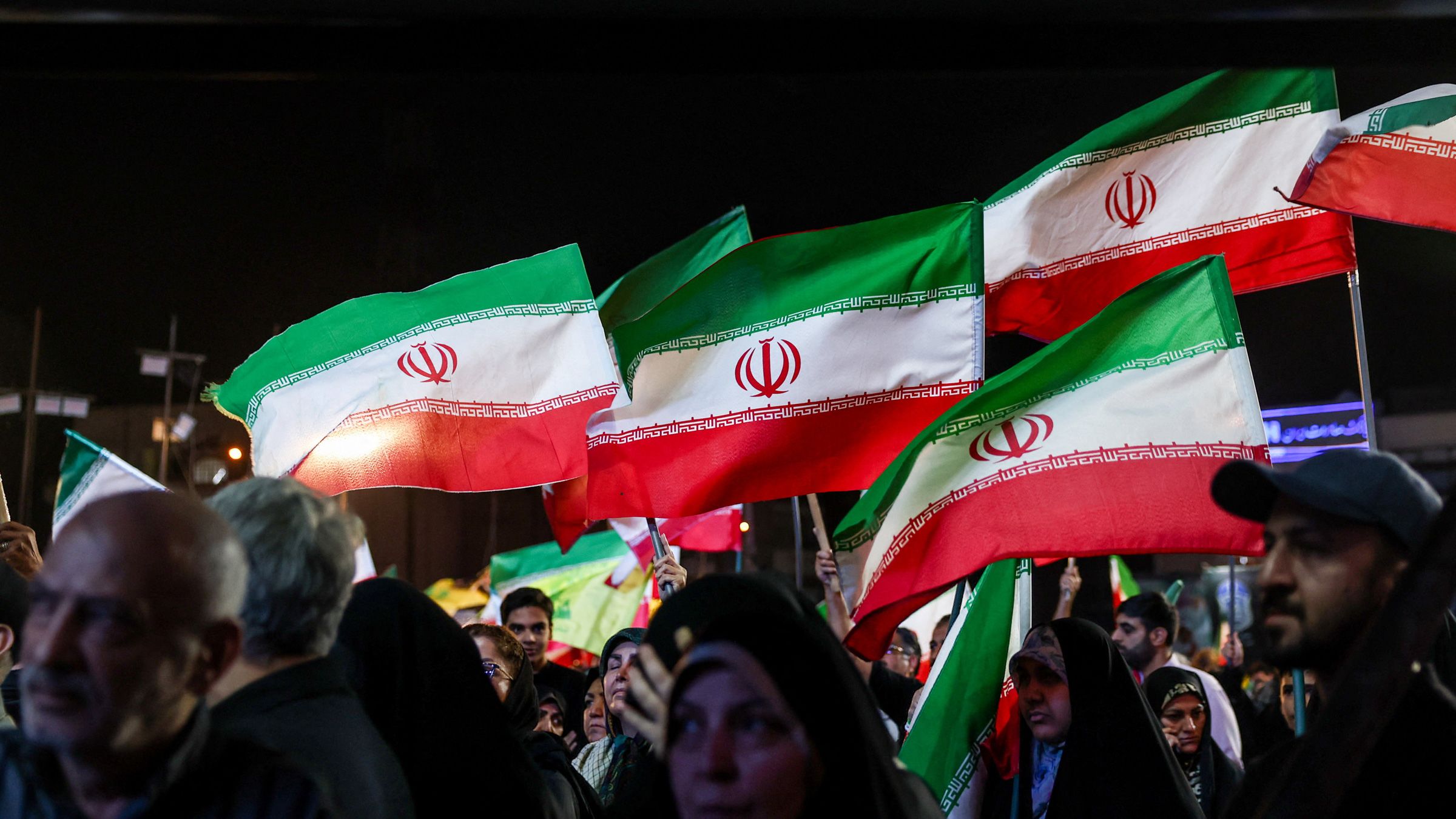
Iran’s foreign ministry spokesperson Esmaeil Baghaei directly pushed back against Trump’s Sunday claim. He confirmed the Islamabad MoU is under active negotiation but stated it will not be signed on Sunday. However, he did not rule out signing in the coming days.
“The Islamabad memorandum focuses on ending the war. At this stage, there will be no discussion about the nuclear issue. We must wait for the exact time of signing — although it will not be tomorrow, the possibility that it will happen in the coming days is not ruled out. However, due to the other party’s instability, we must be cautious about any statements.” — Esmaeil Baghaei, Iranian Foreign Ministry
Notably, Iran’s cautious language reflects both the sensitivity of the negotiations and Tehran’s frustration with what it describes as the US side’s “instability” in the process. As a result, while both sides agree a deal is close, the exact timing remains contested as of June 14, 2026.
What Is Inside The US Iran Deal 2026?
A US official provided Axios with a detailed outline of the draft agreement. The US Iran deal 2026 in its current form is a Phase 1 memorandum of understanding — not a final peace treaty. Specifically, it covers the following key elements:
Phase 1 — The Memorandum of Understanding:
- 60-day ceasefire extension — both sides halt military operations
- Strait of Hormuz reopens immediately after signing — ending the global energy crisis
- Iran gains the right to freely sell oil during the 60-day period
- Sanctions relief discussions begin during the ceasefire window
- Nuclear issue deferred — separate negotiations in Phase 2
- US takes possession of Iran’s nuclear material and facilities — to be downblended and destroyed
What Is NOT Included In This MoU:
- No permanent nuclear limits on Iran yet
- No missile programme restrictions — US did not include this in the draft
- No formal peace treaty — this is only a 60-day bridge agreement
- No guarantee the deal survives the full 60 days if nuclear talks stall
🔗 Read More: Axios — What’s Inside The Iran Deal Trump Is Close To Signing
Pakistan and Qatar — The Mediators Behind The Deal
The US Iran deal 2026 owes much of its progress to Pakistan and Qatar, who served as key mediators throughout the Islamabad talks. Pakistani Prime Minister Shehbaz Sharif confirmed on Saturday on X that the final text is agreed and called the development a significant step toward regional peace.
Pakistan’s Role:
Pakistan hosted the critical Islamabad Talks on April 11-12, 2026, which produced the framework for the current MoU. Furthermore, Pakistan’s geographic proximity to Iran and its historically neutral stance between Washington and Tehran made it an ideal broker. As a result, the deal now carries the informal name “Islamabad Memorandum” in reference to where negotiations took place.
Qatar’s Role:
Qatar complemented Pakistan’s mediation by leveraging its long-standing backchannel relationships with both the US and Iran. Notably, Qatar hosts the largest US military base in the Middle East — Al Udeid Air Base — while simultaneously maintaining diplomatic ties with Tehran. Consequently, Doha provided the diplomatic cover and communication channels that kept talks alive during some of the most tense moments of the 100-day conflict.
Background — How The US-Iran War Started
US Strikes on Iranian Nuclear Sites — June 2025
The current conflict traces directly to June 22, 2025, when the United States launched a major airstrike operation against Iran’s nuclear facilities. Specifically, US B-2 stealth bombers and Navy assets targeted three key sites: Fordow, Natanz, and Isfahan. Furthermore, the strikes caused what US officials described as “extremely severe damage” — with the Natanz nuclear site destroyed entirely.
However, the actual damage remains disputed. Leaked DIA reports suggest the sites were damaged but not fully destroyed. Israeli intelligence assessed Iran’s nuclear programme suffered a delay of only a few months. Meanwhile, the IAEA confirmed “enormous damage” at all three sites.
The 100-Day Conflict:
- June 22, 2025 — US strikes Fordow, Natanz, Isfahan nuclear sites
- Iran retaliates — strikes Al Udeid Air Base in Qatar
- Strait of Hormuz closes — global oil prices spike dramatically
- April 2026 — Ceasefire brokered via Pakistan and Qatar
- April-June 2026 — Islamabad MoU negotiations underway
- June 14, 2026 — Trump announces Sunday signing; Iran says ‘coming days’
Does The Deal Achieve Trump’s Goals?
Critics and analysts argue the current US Iran deal 2026 framework falls short of several goals Trump stated at the start of the conflict. Specifically, the core objective of permanently preventing Iran from obtaining a nuclear weapon remains unresolved in this Phase 1 MoU.
What The Deal Achieves:
- Ends active military conflict after 100+ days
- Reopens the Strait of Hormuz — relieves global energy crisis
- Begins nuclear negotiations in Phase 2
- US takes physical possession of Iran’s nuclear material
- Provides Iran economic relief through oil sales and sanctions talks
What Remains Unresolved:
- Permanent nuclear limits on Iran — deferred to Phase 2
- Iran’s missile programme — not addressed in the MoU
- Long-term sanctions removal — only discussed, not guaranteed
- Regional security issues involving Israel and Lebanon — not included
- No guarantee the 60-day ceasefire leads to a lasting peace deal
🔗 Analysis: NBC News — How US-Iran Draft Agreement Fails To Meet Trump’s War Goals
Frequently Asked Questions — US Iran Deal 2026
Q1. Will the US Iran deal be signed on Sunday?
Trump says yes — Sunday, June 15, 2026. Iran says not Sunday but possibly in the coming days. As of June 14, 2026, the deal has not been signed and both sides are still finalising last details.
Q2. What does the US Iran deal 2026 include?
The deal is a 60-day memorandum of understanding. It extends the ceasefire, reopens the Strait of Hormuz immediately, allows Iran to sell oil freely, and begins nuclear discussions in a separate phase. It does not include missile restrictions or a permanent nuclear agreement.
Q3. Will the Strait of Hormuz reopen?
Yes — Trump explicitly stated the Strait of Hormuz will open to all immediately after the deal is signed. The Strait’s closure since early 2026 has been the primary driver of the global energy crisis and oil price surge.
Q4. Who mediated the US Iran deal 2026?
Pakistan and Qatar served as the primary mediators. Pakistani PM Shehbaz Sharif hosted the Islamabad Talks in April 2026 and confirmed the final text is agreed as of June 14, 2026.
Q5. What were the US strikes on Iran about?
In June 2025, the US struck Iran’s three main nuclear facilities — Fordow, Natanz, and Isfahan — using B-2 bombers and Navy assets. The strikes aimed to destroy Iran’s nuclear programme. Iran retaliated by striking the Al Udeid US base in Qatar, triggering the 100-day conflict that this deal now aims to end.
Q6. What happens after the 60-day ceasefire?
During the 60 days, the US and Iran will negotiate on nuclear limits, sanctions removal, and a longer-term peace framework. If Iran does not engage seriously on nuclear talks, the US has indicated the ceasefire may not last the full 60 days.
Conclusion — US Iran Deal 2026 Is A Historic But Incomplete Step
In conclusion, the US Iran deal 2026 represents a potentially historic moment in global diplomacy. It ends over 100 days of military conflict, reopens the Strait of Hormuz, and creates a framework for nuclear negotiations. Furthermore, Pakistan’s mediation role elevates its standing as a global diplomatic player.
However, the deal remains incomplete. The nuclear question — the central trigger of the entire conflict — moves to Phase 2 without clear guarantees. Moreover, Iran’s missile programme and regional security issues stay unaddressed. Therefore, while Sunday may or may not bring the formal signing, the US Iran deal 2026 is a beginning — not an end. Stay tuned to Mirrorly.in for live updates as this historic story develops.
📖 Also Read: India’s Nuclear Arsenal Swells To 190 Warheads — Which Country Has The Most Nukes In 2026?