Personal Finance Tips India 2026: A Practical Guide To Budgeting, Saving, And Investing Smarter

Managing money well has never been more important, or more complicated. These personal finance tips India readers can actually use come at a time when digital payments have made spending easier than ever, investment options have multiplied, and rising costs keep testing everyone’s budgets. Here’s a practical, no-nonsense guide to building smarter money habits in 2026.
📖 Also Read: India, Pakistan, Sri Lanka And Bangladesh Handed Direct Entry To Asian Games Cricket Knockouts
Personal Finance Tips India 2026: Quick Overview
| Area | Key Insight |
| Financial Literacy | Only 27% of Indians understand financial basics, vs 42% global average |
| SIP Growth | Monthly SIP flows more than doubled: ₹10,000 crore (2022) to ₹23,000 crore (2025) |
| Digital Payments | Over ₹20 lakh crore in monthly UPI transactions |
| Compounding Advantage | Investing before 30 can mean 3x more retirement wealth |
| Buy Now, Pay Later | Growing rapidly, especially among younger consumers |
| Trending Goal | FIRE (Financial Independence, Retire Early) gaining traction |
Note: This guide offers general financial information and isn’t personalized investment advice. Consult a registered financial advisor before making investment decisions.
Why Financial Literacy Deserves Attention First
Before diving into specific tactics, it’s worth confronting an uncomfortable fact. Only about 27% of Indians understand basic financial concepts, compared to a global average of 42%. That gap exists despite Indians generally being strong savers, suggesting the issue isn’t a lack of saving discipline, but a lack of structured knowledge about how to make that saved money actually work harder.
Closing this gap doesn’t require a finance degree. Reading books, following credible financial blogs, and staying generally informed about how budgeting, investing, and debt actually work can meaningfully improve financial decision-making over time. Given how fast financial products and tools continue to evolve, treating financial education as an ongoing habit, rather than a one-time effort, tends to pay off considerably over a lifetime.
Budgeting: Start With Where Your Money Actually Goes
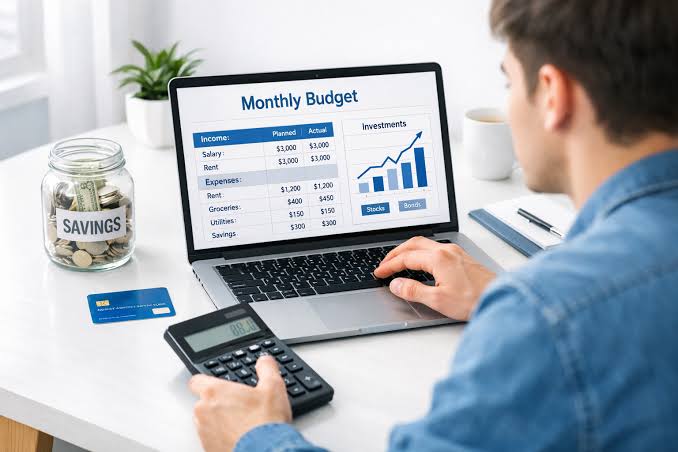
Effective budgeting starts with an honest look at your current financial situation, not a plan built on guesswork. Track your spending for at least a month, separate genuine needs from wants, and set clear, specific financial goals before choosing a budgeting method that fits your lifestyle. Interestingly, India’s shift toward digital payments has made this step considerably easier than it used to be.
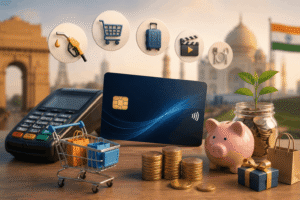
With UPI transactions now exceeding ₹20 lakh crore every month, digital payment trails give households far more visibility into exactly where their money goes than the largely cash-based spending patterns of a decade ago. That transparency is a genuine opportunity: rather than operating on assumptions about spending habits, most people can now pull up a clear, itemized record of their last several months of transactions and identify patterns, and problem areas, almost immediately.
Build an Emergency Fund Before Anything Else
Before chasing higher returns through investing, financial planners consistently emphasize one non-negotiable first step: building an emergency fund. This is money set aside specifically to cover unexpected expenses, a medical emergency, sudden job loss, urgent home or vehicle repairs, without needing to dip into investments or take on high-interest debt.
A commonly recommended target is enough to cover three to six months of essential living expenses, held in a liquid, easily accessible account rather than locked into longer-term investments. This fund acts as a financial buffer, protecting your broader investment strategy from having to be interrupted or liquidated at an inopportune moment simply because life threw an unexpected expense your way.
Why SIPs Have Become India’s Default Investing Habit

Systematic Investment Plans, or SIPs, have emerged as one of the most effective and widely adopted long-term investing tools in India. The growth here has been dramatic: average monthly SIP flows more than doubled between FY2022 and FY2025, climbing from around ₹10,000 crore to roughly ₹23,000 crore, a clear signal that more Indians are embracing disciplined, regular investing over trying to time the market with lump-sum bets.
The core appeal of SIPs lies in their simplicity and consistency. By investing a fixed amount regularly, regardless of market conditions, investors naturally buy more units when prices are low and fewer when prices are high, a principle known as rupee-cost averaging. Over long time horizons, this disciplined approach tends to smooth out market volatility considerably better than trying to predict short-term market movements, a strategy that even seasoned professional investors struggle to execute consistently.
The Power of Starting Early: Why Age 30 Is a Meaningful Marker
Few financial principles matter as much as the simple fact that time in the market beats timing the market. Money habits formed before age 30 shape financial outcomes for decades afterward, with early investors potentially accumulating up to three times more wealth for retirement compared to those who start a decade or more later, purely due to the power of compounding.
This isn’t about needing large sums of money early on. Even modest, consistent contributions started in your 20s can outgrow considerably larger contributions started later, simply because compound growth has more years to work its effect. For anyone early in their career who feels like their current income doesn’t justify serious investing yet, this is precisely the wrong instinct: starting small, early, and consistently tends to beat starting big and late.
Diversification: Don’t Put All Your Money in One Basket
With more investment options available today than ever before, from traditional stocks, bonds, and mutual funds to newer categories like index funds, ETFs, and even cautiously approached alternatives like real estate or cryptocurrency, diversification has become both easier and more important. A balanced portfolio spread across different asset classes helps protect against the volatility of any single investment category, smoothing out returns over time and reducing overall risk.
Exchange-traded funds, or ETFs, have specifically gained popularity as a low-cost, passive way to gain diversified market exposure without needing to actively manage a portfolio yourself. For beginners overwhelmed by investment choices, working with a registered financial advisor to build a diversified strategy suited to your specific risk tolerance and goals is generally a wiser starting point than trying to pick individual winners on your own.
Managing the Rise of “Buy Now, Pay Later”
One newer trend worth approaching with real caution is the rapid rise of Buy Now, Pay Later, or BNPL, services. This form of credit lets consumers purchase goods and pay for them later in installments, often without interest, and it’s growing fast in India, particularly among younger consumers drawn to its convenience and flexibility.
While BNPL can be a useful tool when used deliberately and paid off on schedule, it also carries genuine risk of encouraging overspending, since the psychological friction of an upfront payment gets removed from the purchase decision. Anyone using BNPL services regularly should track these commitments just as carefully as any other form of debt, since multiple simultaneous BNPL arrangements can quietly accumulate into a meaningful financial burden that’s easy to lose track of.
Tackling Rising Debt Levels Among Young Indians
A less discussed but increasingly relevant trend is the rising debt burden among younger Indians. While India hasn’t developed the kind of large-scale student debt crisis seen in some other countries, other forms of consumer debt, credit cards, personal loans, and BNPL commitments, have been climbing steadily.
Managing this effectively starts with understanding the difference between productive debt, like a home loan or education loan that builds a long-term asset or capability, and consumptive debt used for discretionary spending that doesn’t build lasting value. Prioritizing repayment of high-interest debt, particularly credit card balances, before aggressively investing is generally sound financial logic, since few investments reliably outpace the interest rates typically charged on unpaid credit card balances.
The Rise of FIRE: Financial Independence, Retire Early

Among 2026’s more notable financial planning trends is the growing popularity of the FIRE movement, Financial Independence, Retire Early, which centers on aggressive saving and investing with the goal of achieving financial independence well ahead of traditional retirement age. While full early retirement isn’t realistic or even desirable for everyone, the underlying principles behind FIRE, aggressive saving rates, mindful spending, and long-term investment discipline, offer valuable lessons even for those with more conventional retirement timelines.
Financial planners are increasingly expected to offer more personalized guidance around these evolving goals, moving beyond generic advice toward tailored support for specific life objectives: debt reduction, liquidity management, retirement planning, funding a child’s education, or saving for major life events like a wedding or a home purchase.
Key Talking Points
1. Digital Transparency Is a Genuine Advantage
The shift to UPI and digital payments has inadvertently made personal budgeting easier for millions of Indians, offering unprecedented visibility into spending patterns that simply wasn’t available in a predominantly cash-based economy.
2. Consistency Beats Timing, Especially With SIPs
The dramatic growth in SIP investing reflects a broader, healthy shift in Indian investing culture: away from trying to time markets and toward disciplined, regular investing that smooths out volatility over the long run.
3. Convenience-Driven Credit Deserves Extra Scrutiny
Tools like BNPL genuinely offer convenience, but their rapid growth, particularly among younger consumers, means they deserve the same careful tracking and discipline as any other form of debt.
Personal Finance Tips India: Frequently Asked Questions (FAQs)
What’s the single most important personal finance habit to build first?
Building an emergency fund covering three to six months of essential expenses is generally considered the foundational step, before aggressively pursuing investments.
Why have SIPs become so popular in India?
SIPs offer disciplined, regular investing that smooths out market volatility through rupee-cost averaging, and monthly SIP flows have more than doubled between 2022 and 2025, reflecting growing investor confidence in this approach.
Is it worth starting to invest with a small amount of money?
Yes. Starting early, even with modest amounts, tends to outperform larger investments started later due to the power of compounding, with early investors potentially accumulating up to three times more wealth by retirement.
Is Buy Now, Pay Later a good financial tool?
BNPL can be useful when used deliberately and repaid on schedule, but it requires careful tracking, since multiple simultaneous BNPL commitments can quietly accumulate into significant debt.
What is the FIRE movement?
FIRE stands for Financial Independence, Retire Early, a financial planning approach centered on aggressive saving and investing to achieve financial independence well ahead of traditional retirement age.
Conclusion — Small, Consistent Choices Compound Over Time
These personal finance tips India readers can put into practice today all point toward one consistent theme: financial stability isn’t built through occasional dramatic decisions, but through small, consistent, well-informed choices made repeatedly over time. Whether that means tracking your UPI spending more closely, starting a modest SIP this month, building an emergency fund before chasing higher returns, or simply reading more about how money actually works, the habits you build now will likely matter more to your long-term financial future than any single investment decision.
Stay tuned to Mirrorly.in for more personal finance guidance and market coverage.
📖 Also Read: India, Pakistan, Sri Lanka And Bangladesh Handed Direct Entry To Asian Games Cricket Knockouts