This credit score and credit card guide breaks down two of the most important pieces of personal finance that affect nearly every major money decision you make. Whether you’re applying for a loan, a new credit card, or a home loan, your credit score plays a central role in the outcome. Here’s a simple, beginner-friendly look at how it all works.
📖 Also Read: Ramayana Trailer Out: Ranbir Kapoor as Lord Rama Revealed
Credit Score and Credit Card Guide: Quick Facts
| Score Range | 300 to 900 |
| Good Score | 750 and above |
| Major Credit Bureaus in India | CIBIL, Experian, Equifax, CRIF High Mark |
| Biggest Score Factor | On-time payment history |
| Ideal Credit Utilization | Below 30% of total credit limit |
| How Often to Check Report | At least once a year |
Note: This article is for general informational purposes and is not a substitute for advice from a bank or certified financial advisor.
What Is a Credit Score?
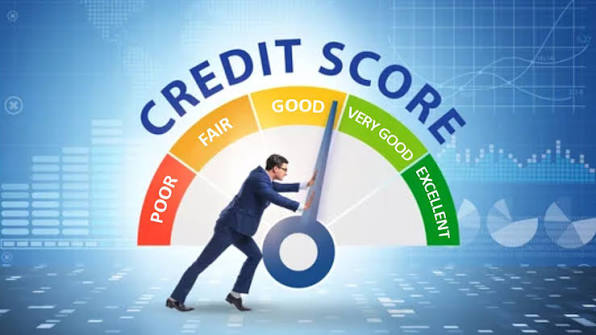
At the core of this credit score and credit card guide is a simple concept: a credit score is a three-digit number, typically ranging from 300 to 900, that indicates how reliably you repay borrowed money. In India, this score is generated by credit bureaus like CIBIL, Experian, Equifax, and CRIF High Mark. The higher the score, the better — a score of 750 or above is generally considered good.
What Factors Make Up Your Credit Score?
- Payment history: Paying bills and EMIs on time has the biggest impact on your score
- Credit utilization: How much of your available credit limit you’re actually using
- Length of credit history: Older, well-maintained accounts strengthen your score over time
- Credit mix: A healthy combination of credit cards and different types of loans
- New credit inquiries: Applying for multiple loans or cards in a short period can temporarily lower your score
Why a Good Credit Score Matters
- Higher chances of quick approval for loans and credit cards
- Better odds of securing lower interest rates
- Improved chances of getting a higher credit limit
- Sometimes checked during job verification or rental agreements
What Is a Credit Card and How Does It Work?

A credit card lets you borrow money from a bank up to a set limit and repay it by a fixed due date. If you pay your full bill on time each month, you typically won’t be charged interest. However, if payments are delayed or only the minimum amount due is paid, high interest charges can start to apply on the remaining balance.
Smart Habits for Using a Credit Card
1. Pay Your Full Bill On Time
Avoid paying only the minimum due amount, since the remaining balance accrues high interest that can gradually add up to significant debt.
2. Keep Credit Utilization Low
Try to use less than 30% of your total credit limit at any given time. Lower utilization tends to have a positive effect on your credit score.
3. Avoid Applying for Multiple Cards at Once
Applying for several cards in a short span increases credit inquiries, which can temporarily lower your score.
4. Check Your Credit Report Regularly
Review your credit report at least once a year to catch any errors or signs of fraud early.
5. Don’t Close Old Cards Unnecessarily
An older card contributes to the length of your credit history, so closing it without good reason can actually work against your score.
Tips for First-Time Credit Card Users
- Start with a basic, entry-level credit card
- Keep monthly spending within your budget
- Set up auto-pay so you never miss a due date
- Read the terms and conditions carefully, especially interest rates and fees
Key Talking Points
1. Payment Discipline Outweighs Everything Else
Of all the factors that make up a credit score, consistently paying on time has the single biggest impact, more than any other habit.
2. Utilization Is Often Overlooked
Many people focus only on repayment but ignore how much of their credit limit they’re using, even though utilization plays a major role in the score.
3. A Long Credit History Is an Asset
Closing old credit cards can unintentionally shorten your credit history and hurt your score, even if the card itself is rarely used.
Credit Score and Credit Card Guide: Frequently Asked Questions (FAQs)
What is considered a good credit score in India?
A score of 750 or above, out of a range of 300 to 900, is generally considered good by most banks and lenders.
Does using a credit card improve my credit score?
Yes, when used responsibly — paying bills on time and keeping utilization low — a credit card can help build and improve your credit score over time.
What happens if I only pay the minimum amount due?
Paying only the minimum due leaves the remaining balance to accrue high interest, which can lead to growing debt over time.
How often should I check my credit report?
It’s recommended to check your credit report at least once a year to spot errors or potential fraud early.
Should I close old, unused credit cards?
Generally, no — old cards contribute to a longer credit history, which is a positive factor, so closing them can lower your score.
Conclusion — Build Credit the Smart Way
This credit score and credit card guide boils down to a few consistent habits: paying on time, keeping utilization low, and reviewing your credit report regularly. Following these basics can help you build a strong credit score over time, making future loans and financial goals easier to achieve.
Stay tuned to Mirrorly.in for more personal finance guides and updates.
📖 Also Read: Ramayana Trailer Out: Ranbir Kapoor as Lord Rama Revealed